What to Expect During a Roof Replacement: A Homeowner’s Guide


Preparing for the Roof Replacement
Embarking on a roof replacement project can feel overwhelming, but understanding what to expect can ease your concerns. The first step is to prepare your home and family for the upcoming work. Clear the area around your home, including patios and decks, of furniture, potted plants, and other items. This creates a safe environment for workers and prevents any accidental damage.
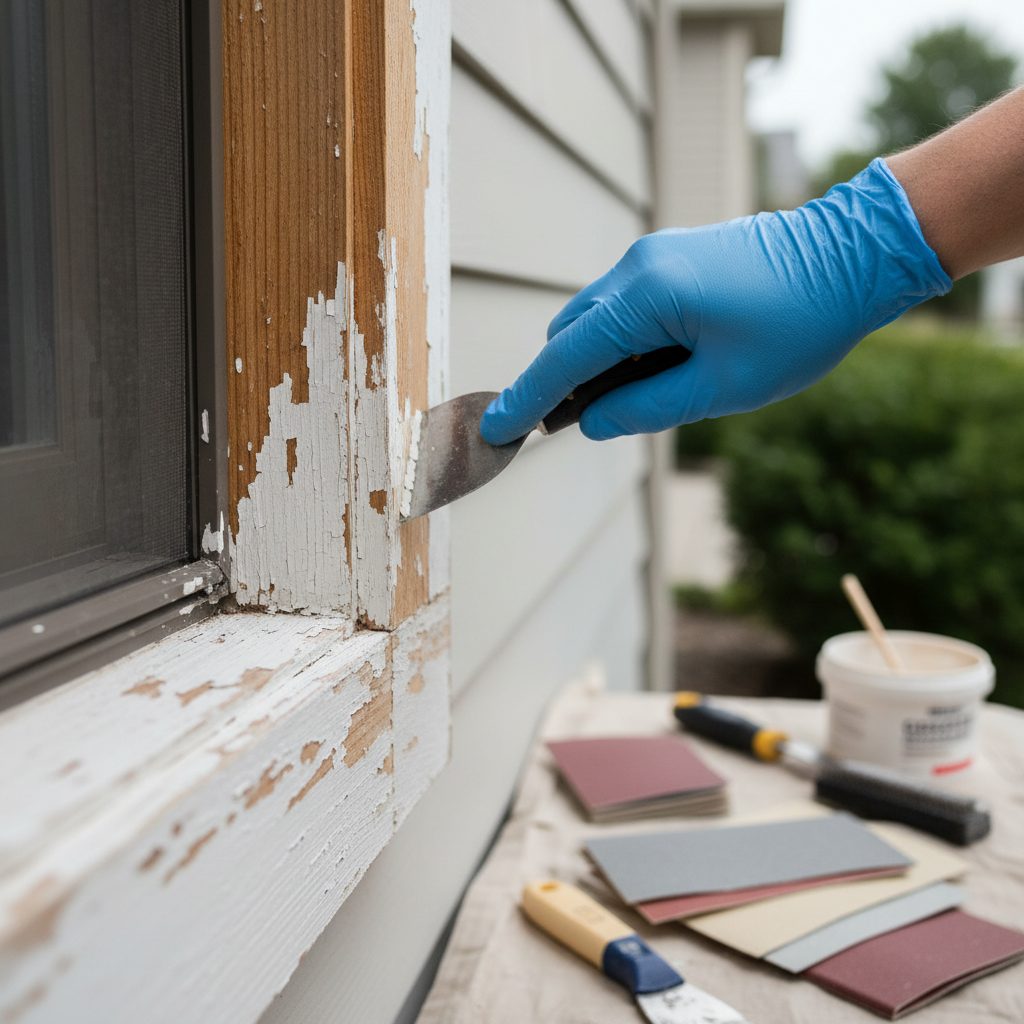
Inform your neighbors about the project, as there will be noise and increased activity. It’s also wise to make arrangements for pets and small children, as the noise may be unsettling for them.
The Roof Replacement Process
Inspection and Removal
The roof replacement begins with a thorough inspection by the contractor to assess the condition of the existing roof and underlying structures. Once completed, the old roofing materials will be removed. This step can be noisy and messy, but it's essential for a successful installation.
New Roof Installation
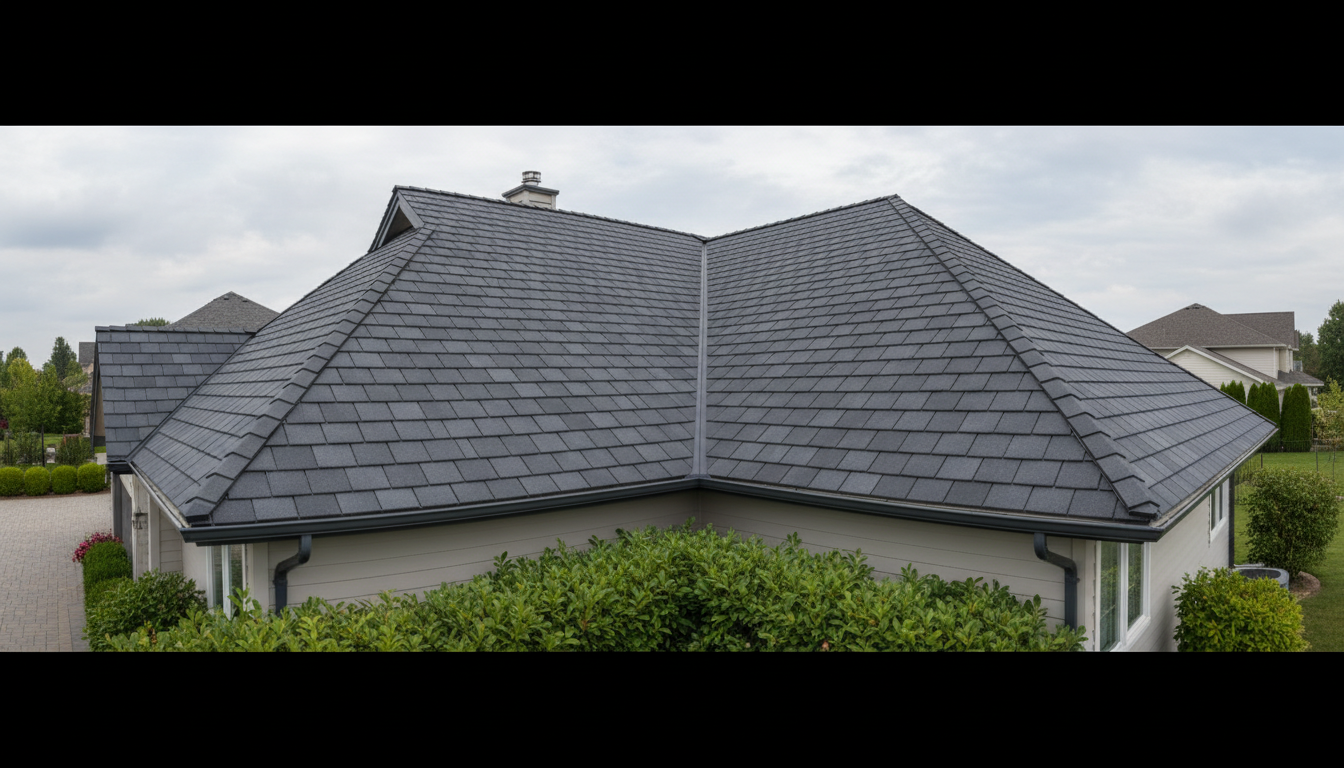
After the old materials are stripped away, the installation of the new roof begins. This includes laying down underlayment, which acts as a moisture barrier, followed by the new roofing materials. Depending on the size of your roof and weather conditions, this process can take several days.
Post-Installation Cleanup
Once the new roof is in place, the crew will conduct a thorough cleanup of the area, removing debris and nails. It's important to walk around your property with the contractor to ensure that all waste has been properly disposed of.
Most contractors will use magnetic tools to pick up stray nails that might have fallen during the replacement process, ensuring the safety of your family and pets.

Final Inspection and Maintenance Tips
A final inspection will be conducted to ensure that the roof has been installed correctly and meets all warranty and safety standards. This is your opportunity to ask any questions and address any concerns with the contractor.
To prolong the life of your new roof, regular maintenance is key. Keep gutters clear of debris, trim overhanging branches, and schedule periodic professional inspections. This proactive approach will help prevent future issues and maintain the integrity of your roof.