DIY Roof Inspection: When to Call the Pros


Understanding the Basics of DIY Roof Inspection
Performing a DIY roof inspection can save you time and money, especially when it comes to identifying minor issues before they become significant problems. Regular inspections can help ensure your roof remains in good condition, extending its lifespan and protecting your home from the elements.
While some tasks can be performed by homeowners, it's crucial to know your limits and understand when it's time to call in the professionals. This guide will help you navigate the basics of DIY roof inspection and recognize when expert help is necessary.
What to Look for During a DIY Roof Inspection
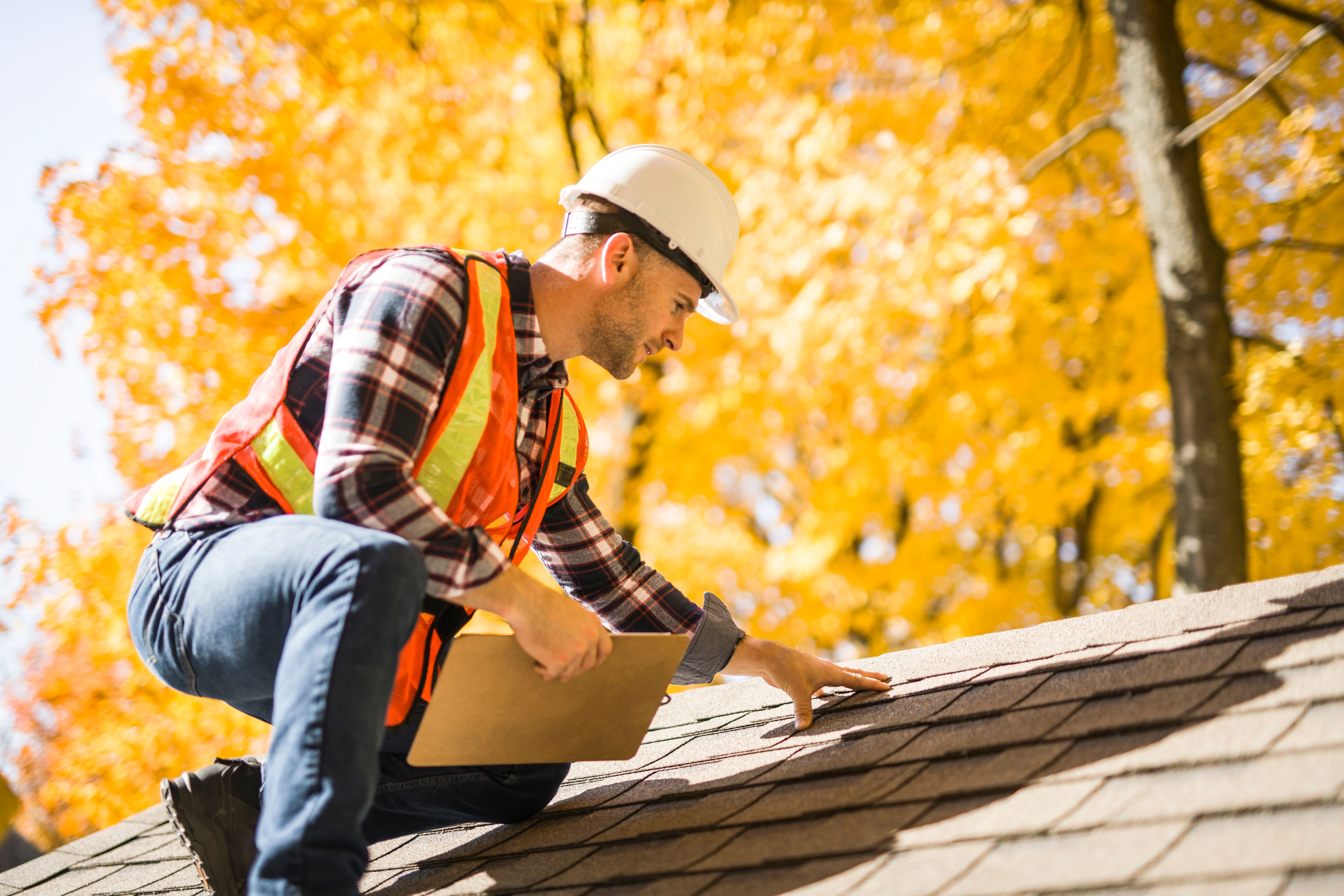
When inspecting your roof, focus on key areas that are prone to wear and damage. Begin by checking for missing or damaged shingles, as these can lead to leaks and further damage. Look for any signs of water damage, such as stains or sagging areas, which may indicate underlying problems.
Additionally, inspect the flashing around chimneys, vents, and other roof penetrations. Ensure there are no gaps or rust, as these can lead to leaks. Finally, check the gutters and downspouts for debris and ensure they are securely attached and functioning properly.
Safety First: Precautions for DIY Roof Inspections
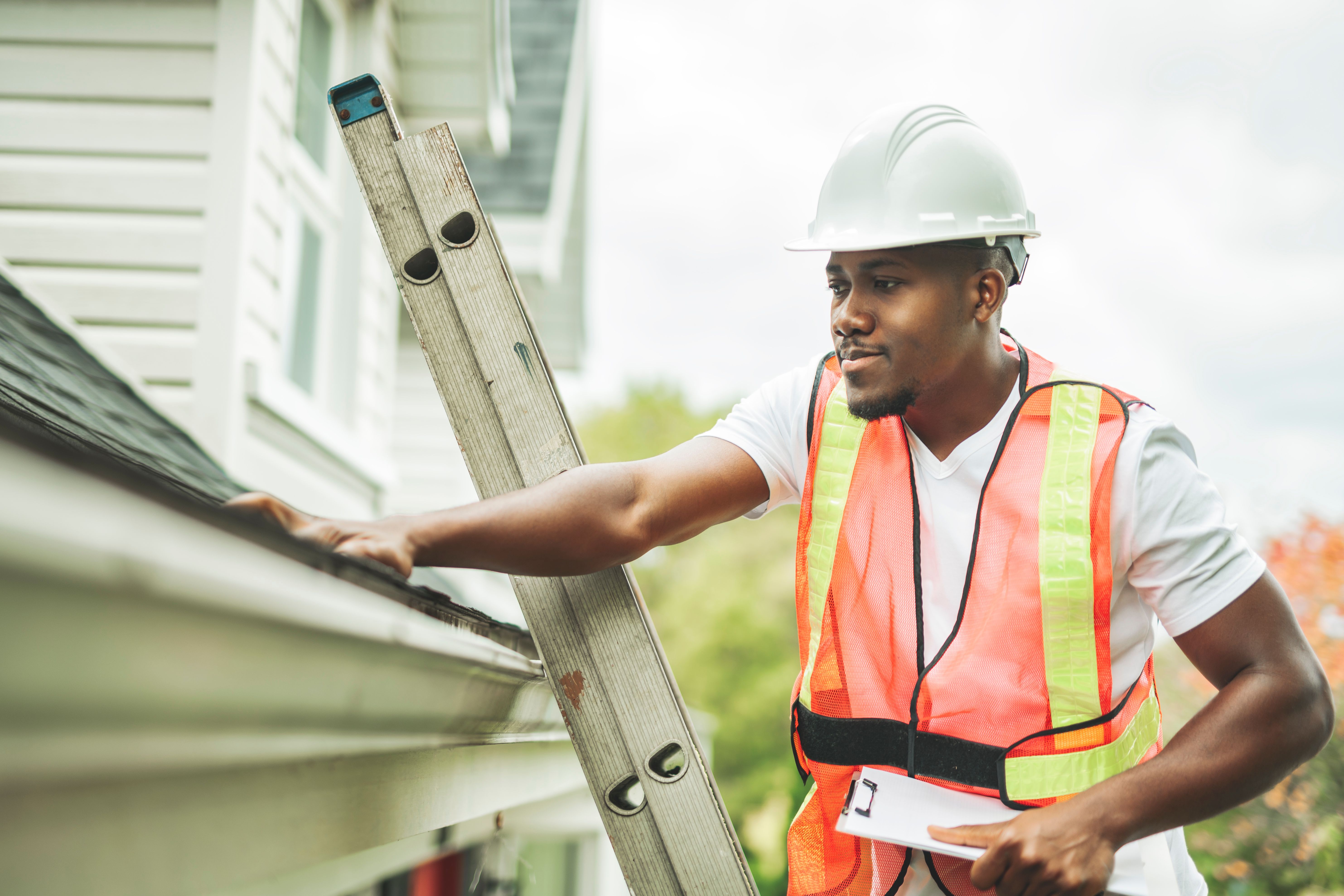
Before climbing onto your roof, prioritize safety. Use a sturdy ladder and ensure it's placed on a stable surface. Wear non-slip shoes and consider using a safety harness for additional protection. If you're uncomfortable with heights or unsure about the process, it's best to leave the inspection to professionals.
Tools You'll Need for a Successful Inspection
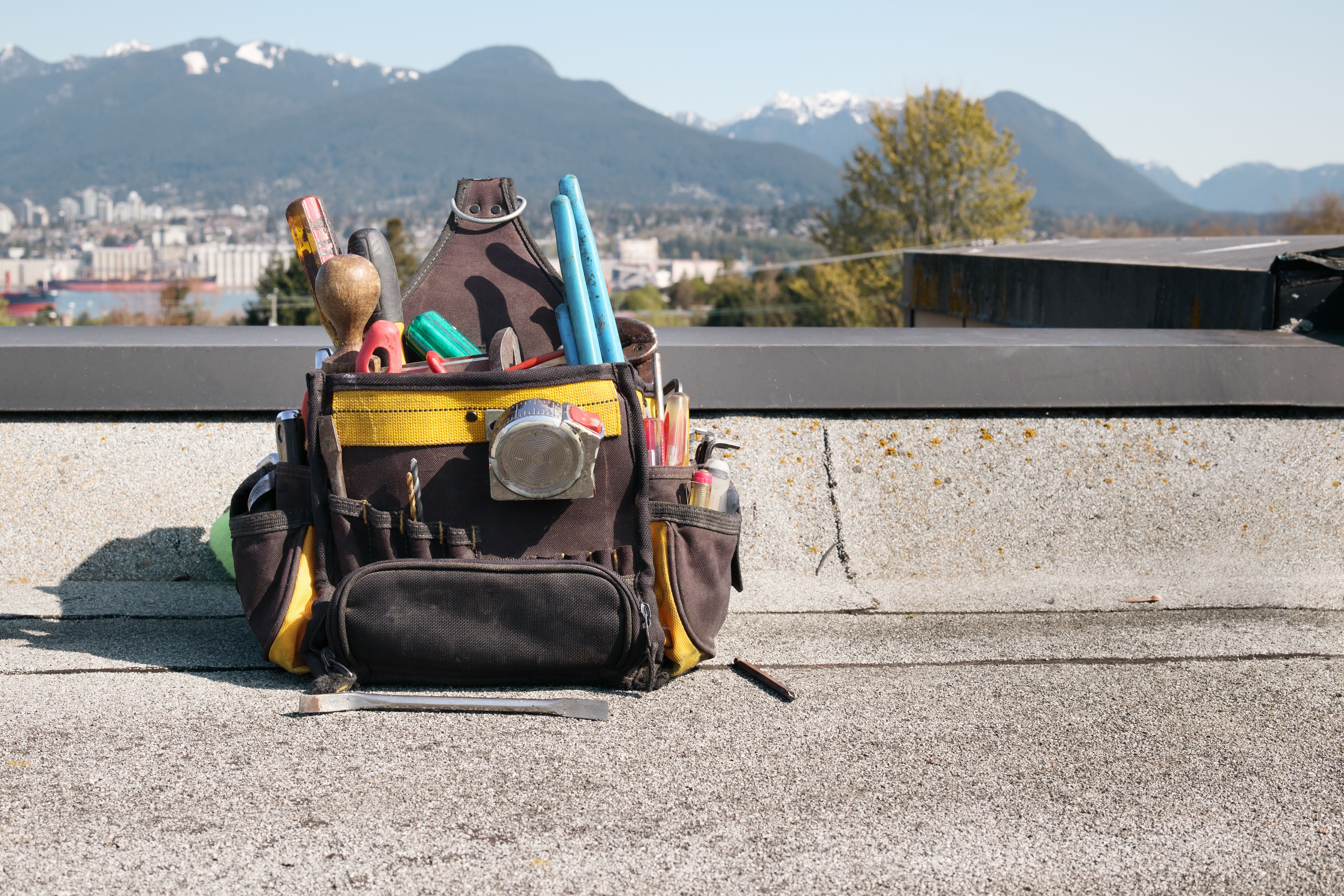
Having the right tools on hand will make your inspection more effective. Essential tools include a ladder, flashlight, binoculars, and a notebook to document any findings. A camera or smartphone can also be helpful for taking photos of any issues you discover.
When to Call the Pros
While DIY inspections are beneficial, certain situations require professional expertise. If you notice significant damage, such as large leaks, structural issues, or extensive shingle damage, it's time to contact a roofing professional. They have the experience and tools necessary to address complex problems effectively.
Additionally, if your roof is nearing the end of its lifespan, a professional inspection can provide insight into whether repair or replacement is the best option.
Benefits of Professional Roof Inspections
Professional roof inspections offer a comprehensive assessment of your roof's condition. Experts can identify hidden issues that may not be visible during a DIY inspection. They also provide detailed reports and recommendations, ensuring your roof receives the care it needs.
By combining DIY efforts with professional expertise, you can maintain a robust and reliable roofing system, safeguarding your home and peace of mind.